
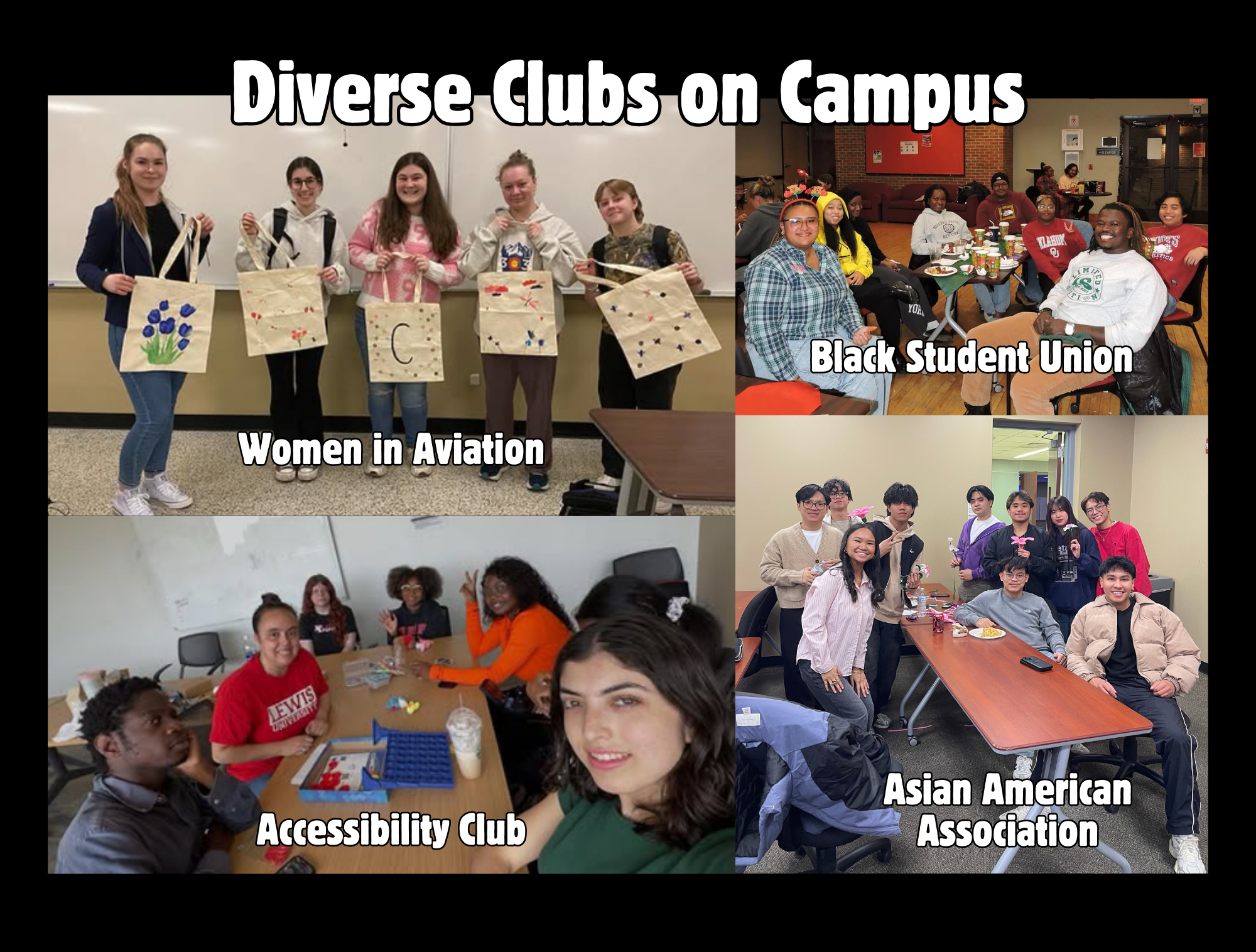
As of late, there has been increasing tensions between the federal government and universities within the U.S.. The conflict stems from officials pushing institutions to scale back or eliminate their diversity-focused programs, student organizations, and policies tied to diversity, equity, and inclusion (DEI).
According to the White House, on March 26, President Trump signed an executive order in which it asked federal contractors and their respective subcontractors to eliminate all diversity, equity, and inclusion practices. According to the current administration, this type of action will be beneficial for multiple organizations, especially universities, since it will eliminate any “illegal” diversity initiatives that influence the acceptance process for incoming students.
“My Administration has made significant progress in ending racial discrimination in American society, including so-called “diversity, equity, and inclusion” (DEI) activities in which employees, applicants, or contracting parties are treated differently, separated, or singled out based on their race or ethnicity, rather than treated equally and objectively based on their merit and without regard to their immutable characteristics. Despite this progress, some entities continue to engage in DEI activities and often attempt to conceal their efforts to do so.” States Trump via a White House statement in which it addressed DEI discrimination and federal contractors.
Parallel to this, federal agencies are actively launching investigations into university admissions, examining whether schools are indirectly considering race during the application process, despite the 2023 Supreme Court ruling banning affirmative action. The government has made it known that those who fail to comply with the new criteria are subject to loose federal funding.
This type of action has gone beyond affecting admissions, the pressure has begun to affect campus life and academics. In states such as Florida, the government has begun to remove DEI offices, restrict diversity-related coursework or remove requirements tied to subjects like sociology, arguing such programs promote political ideology rather than education.
Those that support the new policies have argued that they are necessary to prevent discrimination and restore “neutrality” in education. Contrary to that, critics across the country state that this type of efforts could amount to political interference which could eventually undermine academic freedom, reduce support systems for minority students, and weaken research and teaching on social inequality.
One of the main arguments within the new policies is that higher education has become too ideologically one-sided. The administration has suggested that some diversity initiatives promote specific political viewpoints, and that reducing their influence would encourage a wider range of perspectives and debate amongst campuses across the country.
Currently, Lewis University has not been faced by the new policies. However, universities across the state of Illinois have begun to see the repercussions.
As universities continue to navigate the new conditions, Lewis carries on to protect its students’ heritage. Dr. Elizabeth Sartell, Assistant Professor and Chair of the Department of Theology at Lewis University states “I think Lewis does a good job of valuing students as whole people and supporting different aspects of their identities.” She goes on to say, “At the same time, everyone can do better—there are always ways to be more inclusive.”
As the country moves forward with the new executive orders, Lewis University maintains its position to protect students from any type of discrimination, regardless of their heritage.
